Key Takeaways:
- Transfer credits and alternative platforms don't show on diplomas and rarely matter to employers.
- Employers mainly care that you completed a relevant, accredited degree, not how or where you earned credits.
- Using transfer and alternative credits can save significant time and money, especially for busy adult learners.
Lorem ipsum dolor sit amet, consectetur adipiscing elit. Suspendisse varius enim in eros elementum tristique. Duis cursus, mi quis viverra ornare, eros dolor interdum nulla, ut commodo diam libero vitae erat. Aenean faucibus nibh et justo cursus id rutrum lorem imperdiet. Nunc ut sem vitae risus tristique posuere.
Before we dive into how to use transfer credits, let’s clear up what employers actually notice about your degree.
Do Employers Really Care About Transfer Credits?
Many students hit what feels like “transfer credit panic,” where they worry that a non-traditional path will look messy or unfocused.
Common worries that ring out are:
- “If I didn’t do all my classes at one school, does that look messy?”
- “Will employers think I couldn’t cut it?”
- “Does this make me look unfocused?”
But almost no one follows a perfect four-year path anymore.
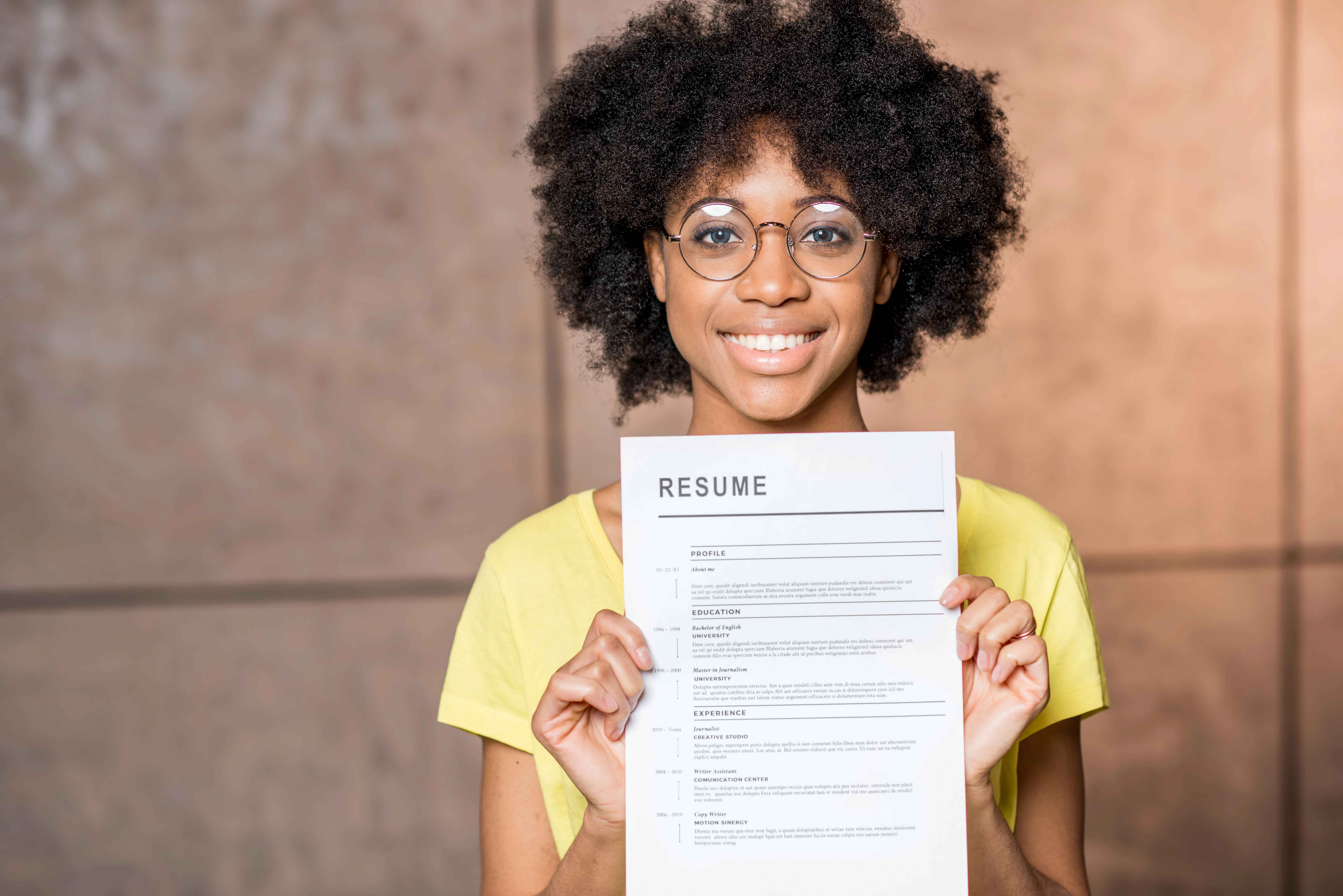
People change majors, switch jobs, start families, or pause school. Using transfer credits usually means you were smart about your time, money, and goals, not that you failed. Employers are not reading your full transcript nor are they tracking where each individual class came from. On your résumé, employers really care about one thing: whether you finished your degree and whether that degree is relevant to the job.
What Employers Actually See (Not Your Transfer Credits)
If you’re worried that transfer credits will somehow hurt you, here’s the truth: they’re almost never visible to employers and rarely factor into hiring decisions. What shows up on your diploma or résumé is simply your completed degree—nothing more, nothing less.
Here’s how it really breaks down:
❌ Transfer credits don’t appear on your diploma or resume.
❌ They’re typically buried on transcripts employers never request.
✔️ What does stand out is that you balanced work, family, and other responsibilities.
✔️ You still completed your bachelor’s degree.
✔️ You demonstrated discipline, maturity, and real follow-through on a long-term goal.
When employers look at your education, they see commitment and capability, not how many transfer credits you used to get there.
Maximize Transfer Credits Fearlessly: How to Use Them to Graduate Faster
Transfer and alternative credits are one of the smartest “degree hacks” available to busy adults. If you’ve already earned college credits, you can often apply them toward your degree and:
- Shorten your time to graduation
- Reduce the total cost of your degree
- Avoid retaking classes you’ve effectively already completed
Many adult-friendly universities have generous transfer policies, especially online or competency-based programs. On top of that, you can earn credits before or alongside university enrollment through alternative credit platforms such as Study.com, Sophia Learning, and StraighterLine. These platforms let you complete general education and other approved courses online, often on your own schedule.
💡 Tip: With Study.com’s flat-fee, unlimited-course membership, you can knock out multiple gen-ed classes quickly and affordably. Once you finish, just request your credits to be sent to your school—after confirming the university’s transfer guidelines.
What Transfer Credit Really Says About You
Far from looking like a red flag, transfer credits can tell a powerful story about your strengths as an adult learner. For example:
💼 Using old credits now shows persistence and ensures your earlier work isn’t wasted.
💰 Completing cheaper credits through alternative platforms shows financial responsibility.
🔄 Switching schools or programs to find a better fit shows clarity and determination.
🧩 Piecing credits together from multiple institutions shows adaptability.
Those are top-tier workplace skills. You’re not taking shortcuts; you’re taking smart routes. And smart routes strengthens not weakens your resume.
How to Talk About Transfer Credits in an Interview
Most employers will never ask where each individual credit came from. But if it does come up, you can frame your story confidently and professionally. For example, you can say:
“I used a combination of university courses and accredited online courses so I could finish my degree while working full-time. It helped me stay on budget, stay on track, and complete my degree efficiently.”
That reframes the situation to be the strategic move that it truly is.
🎓 Bottom line: People don’t lose jobs because they transferred credits. Many adults, however, gain opportunities because transfer and alternative credit made completing their degree possible in the first place.
College Credits to Career Confidence + a Finished Degree: A Conclusion
Transfer and alternative credits don’t hurt your resume, and they don’t make your degree look less legitimate. They’re tools that can save you time, lower your costs, and showcase traits like persistence, adaptability, and financial responsibility.
If you’re an adult learner trying to finish a degree on your terms, exploring transfer credit and platforms like Study.com, Sophia Learning, or StraighterLine is a smart next step. From here, check out more Degree Hacked guides on using alternative credit, choosing transfer-friendly universities, and building a resume that tells the full story of your hard-earned degree.
.svg)
.svg)
.svg)
.svg)
.svg)


.webp)